
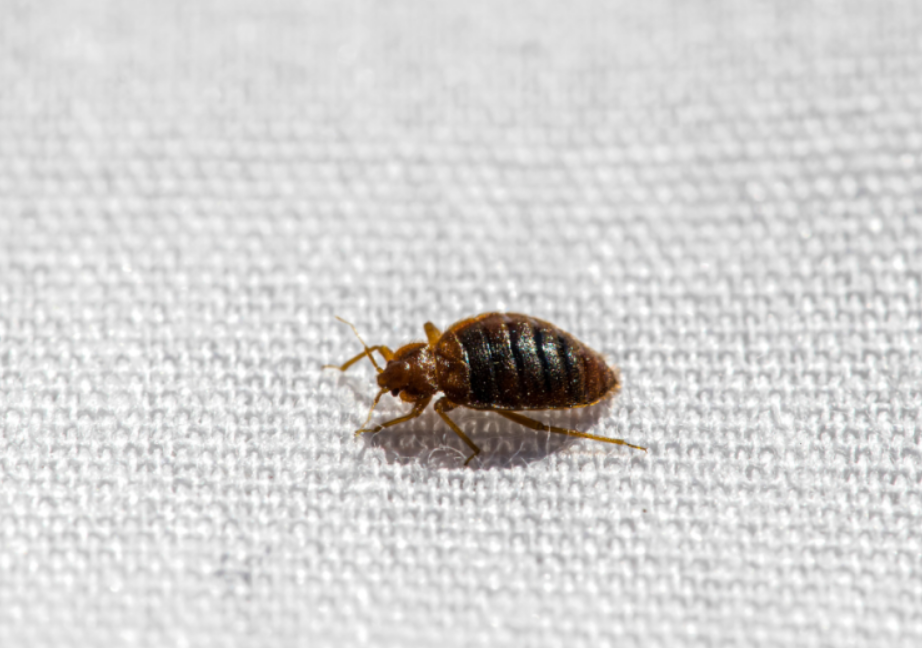
Bed bugs are persistent pests thatinfest homes, causing sleepless nights and frustration for homeowners.
When it comes to extermination, heat treatment is often considered on the most effective methods to eliminate these stubborn insects. However, many homeowners have concerns about the potential damage from heat treatment.
So in this article, we’re going to explore the topic of bed bug heat treatment and address the most common concerns regarding its impact on the home.
What is Bed Bug Heat Treatment?
Heating up the infested area to a deadly temperature is an effective way of getting rid of bed bugs and their eggs. Professionals usually set the temperature between 120°F (49°C) – 140°F (60°C) for several hours.
This method is popular as it targets those hard-to-reach spots, such as cracks and crevices, where bed bugs hide and reproduce.
How Does Heat Treatment Impact Your Home?
Structural Damage
When done correctly by a professional, heat treatment shouldn’t damage your home’s structure or any sensitive materials or electronics in it. But you must make sure that the specialists evenly distribute and monitor the heat throughout to avoid localized destruction.
Heat-sensitive Items
It’s essential to remove or protect heat-sensitive items, such as wax candles, cosmetics, aerosol cans, vinyl records and electronics from the effects of heat treatment. Professional providers will give you clear guidance on how to do this before treatment commences.
Fire Hazards
High temperatures used during heat treatment can be a fire risk if not handled properly. To ensure your safety, professional services use specialised equipment and carefully monitor the process – so make sure they are taking appropriate precautions when you book them in.
Moisture Concerns
Heat can trigger moisture evaporation from wood and upholstery, potentially causing expansion or deformity. Heat-treatment providers who are aware of this issue understand the need to regulate temperature and manage humidity levels during the process to reduce any harm.
How To Choose a Professional Heat Treatment Provider
To ensure the safety of your home during bed bug heat treatment, you need to consider several factors to select the most reputable and experienced professional bed bug exterminator.
Certification and Expertise
Find out if the provider has relevant certifications and training in treating bed bugs with heat. Make sure they know how to assess your residence, create a plan of action, and execute it properly.
Equipment and Techniques
Inquire about the equipment employed as well as their methods for eliminating pests. Ensure that specialized tools are used which were designed specifically for safe yet effective extermination techniques with heat treatments.
Safety Measures
Always verify what safety protocols the provider has in place. They should have a complete plan to protect your home and belongings from harm.
References and Reviews
Be sure to request references or read online reviews for insight on provider’s standing and customer service. A trustworthy company should possess positive feedback from prior customers.
Bed bug heat treatment, done by professionals, is usually risk-free for your property. It can eradicate bed bugs without inflicting considerable damage; however, it’s critical to select an experienced provider that adheres to proper procedures.
A professional bed bug expert should take the necessary precautions against danger, and have the expertise to carry out heat treatments – thus ensuring successful extermination of pests while minimizing risks or destruction of the house.
Frequently Asked Questions (FAQs)
Can bed bug heat treatment damage your home?
When carried out by trained professionals, bed bug heat treatment will not damage the structure of your home. Typical building materials such as brick, plasterboard, wood, and flooring can safely withstand the controlled temperatures used.
What temperatures are used in bed bug heat treatment?
Professional treatments usually raise indoor temperatures to around 50–60°C and maintain them for several hours. These levels are lethal to bed bugs but generally safe for household structures when properly controlled.
Do you need to remove items before heat treatment?
Yes, certain heat-sensitive items such as aerosols, wax products, cosmetics, and some electronics may need to be removed or protected. Technicians usually provide a preparation checklist before treatment begins.
Can heat treatment damage furniture or electronics?
Most everyday furniture, mattresses, clothing, and electronics can tolerate treatment temperatures, but very sensitive or poorly manufactured items may be at risk if not properly managed or positioned.
Is there a fire risk with heat treatment?
There is a potential fire risk if heat is not properly controlled, which is why professional companies use monitored equipment and safety procedures to ensure temperatures remain within safe limits.
Can heat treatment cause moisture or warping issues?
In some cases, heat can cause minor moisture changes in materials like wood or upholstery, which may lead to slight expansion or warping. However, this is rare when treatment is properly executed.