
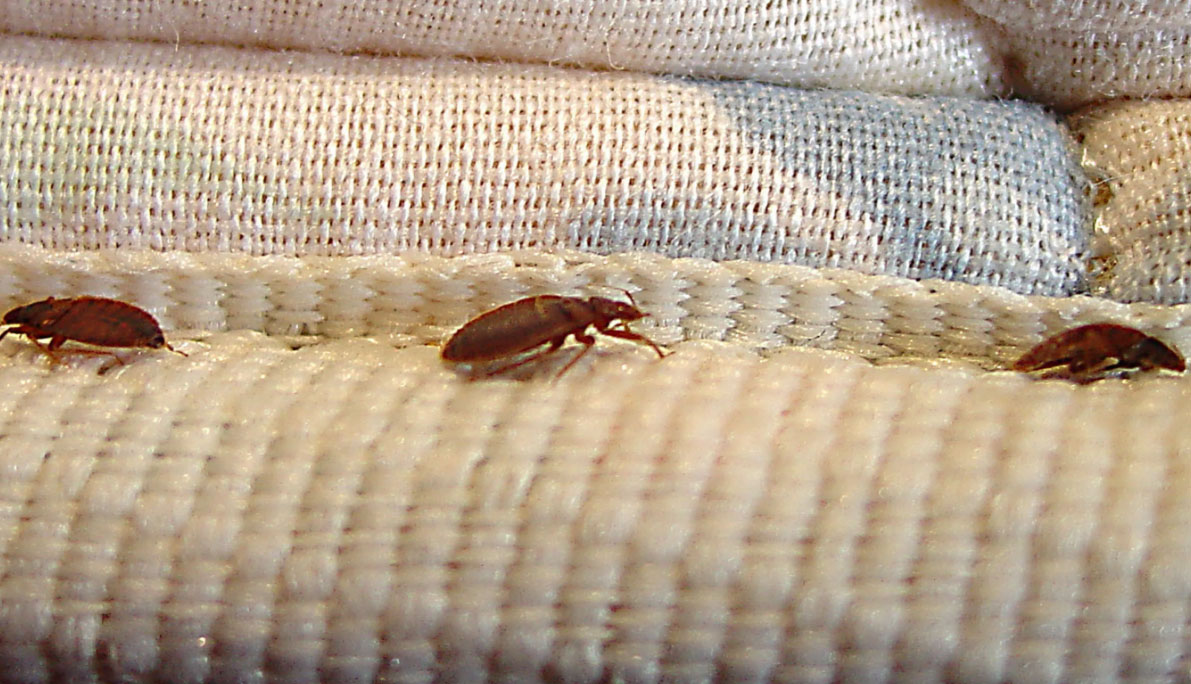
Bed bugs in your hotel is not something you would typically expect to encounter on your holiday.
However, it’s a frequent issue that hotel managers and pest controllers have to deal with, particularly during peak season.
In a bed bug infestation, guests will complain of painful bites, and red marks on their skin as the bugs bite during the night. This can quickly escalate to negative online reviews and eventually damage the hotel’s reputation.
What are bed bugs?
Bed bugs are small, wingless insects that hide and breed in the cracks and crevices of furniture and loose wallpaper, and come out at night to feed on a host. They have a reddish brown colour, which becomes redder after feeding on humans. They can grow to 5mm in length and go through five nymph stages over 128 days.
Female bugs lay eggs in batches of 10 to 50 containing a thin glue substance, and appear white which are then deposited on different surfaces. After approximately 10 days, the eggs begin to hatch and within one to two months they mature into adults if there is sufficient food.
How do you know if there’s an infestation?
Their excrement can be found in the seams of bed linen and mattresses, and occasionally you may see the bugs themselves. If you, or other guests in the room notice bite marks on your body then it’s a sure sign there’s an infestation. You must alert the hotel staff, who will contact a professional pest controller to advise you and the staff on what to do next.
It’s important to remember that bugs can easily spread from one place to another, particularly in hotels where there is a high turnover of guests. Bed bugs will crawl onto clothing, luggage, and other items belonging to guests, allowing bed bugs a free ride to another destination, including your own home.
Therefore, you will need to wash and tumble-dry your clothes, and bed sheets in the event of an infestation.
What bed bug treatments are available for hotel rooms?
Typically, all adjoining hotel rooms are treated, as well as rooms above and below. A professional technician will use an insecticide and spray floors, walls, ceilings, bed frames, and mattresses. The insecticide is harmless to mammals and biodegradable. It’s also odourless and does not stain fabric or corrode surfaces. So guests won’t be disturbed or alarmed during their stay.
After treatment, the bed bugs will be eliminated, and guests can continue to enjoy their holiday bug-free.
For free advice and professional bed bug treatments in Scotland and Yorkshire, get in touch with The Bed Bugs Experts.
Frequently Asked Questions (FAQs)
How do bed bugs infest hotel rooms?
Bed bugs are usually introduced into hotels by guests carrying them in luggage, clothing, or personal belongings. Once inside, they hide in mattress seams, bed frames, furniture joints, and wall cracks near sleeping areas.
Why are hotels so vulnerable to bed bug infestations?
Hotels have a constant flow of guests, which increases the chance of bed bugs being brought in. High turnover, shared laundry systems, and close proximity between rooms also make it easier for infestations to spread.
How do bed bugs spread between hotel rooms?
They can crawl through wall voids, electrical outlets, and gaps in structures, or hitchhike on housekeeping equipment, luggage racks, and cleaning materials used across multiple rooms.
What are the signs of bed bugs in a hotel room?
Common signs include small dark spotting on bedding or mattresses, shed skins, tiny white eggs, live bugs in mattress seams, and in some cases a musty, sweet odour in heavily infested rooms.
What should you do if you find bed bugs in a hotel?
You should avoid unpacking, keep luggage sealed, and request a room change or leave the hotel if necessary. Clothing should be heat-washed and dried as soon as possible after exposure.
How do hotels get rid of bed bugs?
Hotels typically use professional pest control methods such as heat treatments or targeted insecticide applications, often treating adjacent rooms as well to prevent further spread.